


?What Are Corporate Training Services
Types of Corporate Training Services
Soft Skills Training
Soft skills training develops the interpersonal capabilities that enable employees to communicate effectively, collaborate with teams, and lead with confidence. Core areas include teamwork, problem-solving, conflict resolution, time management, and professional communication
In competitive corporate environments, strong soft skills strengthen client relationships, enhance internal collaboration, and support positive workplace culture. Organizations investing in these programs often see improvements in engagement, customer satisfaction, and cross-functional effectiveness
Communication • Collaboration • LeadershipTechnical Skills Training
Technical skills training equips employees with the practical knowledge required to perform their roles effectively. This includes mastering systems, software, equipment, digital tools, and industry-specific operational procedures
Continuous technical upskilling reduces errors, improves efficiency, and enables organizations to adapt to technological advancements. In line with Saudi Vision 2030, technical training is essential for maintaining productivity and driving digital transformation
Technology • Productivity • Digital SkillsSafety & Compliance Training
Safety and compliance training ensures employees understand and adhere to regulatory requirements, industry standards, and internal safety policies. These programs reduce workplace incidents, legal risks, and operational disruptions
Effective training promotes a proactive safety culture, covering hazard awareness, PPE usage, emergency procedures, and sector-specific compliance requirements. Organizations with strong safety programs benefit from improved morale and enhanced corporate reputation
Health & Safety • Compliance • Risk ControlLeadership Development Programs
Leadership development prepares current and future leaders with the skills needed to guide teams, execute strategy, and manage change. Programs focus on strategic thinking, decision-making, emotional intelligence, and coaching
Developing leaders internally strengthens succession planning, improves retention, and builds organizational resilience. Strong leadership enables companies to scale operations and maintain long-term competitive advantage
Strategy • People Management • GrowthFirst Aid & Emergency Response Training
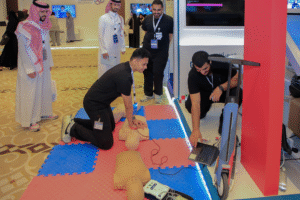
First aid training equips employees with life-saving skills to respond effectively during medical emergencies. Training includes CPR, AED use, wound care, choking response, and managing workplace injuries
Having trained first-aiders on-site strengthens workplace safety and demonstrates a clear commitment to employee wellbeing. Immediate response can prevent escalation and save lives when seconds matter
First Aid • CPR • Emergency ReadinessBuilding a Future-Ready Workforce
A balanced corporate training strategy—combining soft skills, technical expertise, safety, leadership, and emergency preparedness—is essential for building resilient, high-performing organizations
Lazem Training delivers customized, accredited, and business-focused training solutions across Saudi Arabia. Our programs go beyond compliance to embed a lasting culture of safety, competence, and excellence
Corporate Training • Workforce Development
Why Corporate Training Is Essential For Companies
Investing in employee training is a key driver of organizational performance and sustainability in Saudi Arabia. Structured training programs support workforce productivity, standardize work practices in line with national regulations, and strengthen employee engagement and retention. They also play a critical role in risk management by improving compliance, safety awareness, and operational reliability. As emphasized by national workforce development priorities, organizations that invest in continuous learning are better positioned to reduce turnover, manage risk effectively, and achieve long-term, measurable business value
How Corporate Training Improves Employee Performance
Corporate First Aid Training as a Core Workplace Requirement
Explore Our Corporate Training Programs
Professional training for organizations
FAQ
.Have a Question? Find its answer in our FAQ
Corporate training services are professional development programs designed to enhance the skills, knowledge, and performance of a company's workforce. They are customized to meet specific business goals and can cover a wide range of topics, from technical skills to safety and compliance. These services are delivered by expert trainers and tailored to the unique needs of each organization.
Companies need corporate training to improve employee performance, ensure regulatory compliance, and build a competitive advantage. It helps bridge skill gaps, boosts productivity, and fosters a culture of continuous learning, which is essential for long-term success. Training also improves employee retention and engagement by demonstrating investment in their professional development.
While the importance of training types varies by industry, key areas include soft skills, technical skills, and safety and compliance training. Programs like corporate first aid training are often mandatory and crucial for ensuring a safe workplace. Leadership development and customized corporate training programs that address specific business challenges are also highly valuable.
In many regions and industries, having a certain number of certified first-aiders is a legal requirement. Regardless of mandates, it is a critical component of workplace safety and emergency preparedness, protecting both employees and the business. Even in settings where it's not legally required, first aid training is considered a best practice and an essential element of duty of care.
Look for a provider with a proven track record, expert instructors, and the ability to offer customized corporate training. They should understand your industry and be able to tailor their programs to your specific business objectives and employee needs. Check for relevant certifications, client testimonials, and the flexibility to deliver training in formats that work for your organization, whether in-person, online, or hybrid.
Useful Links